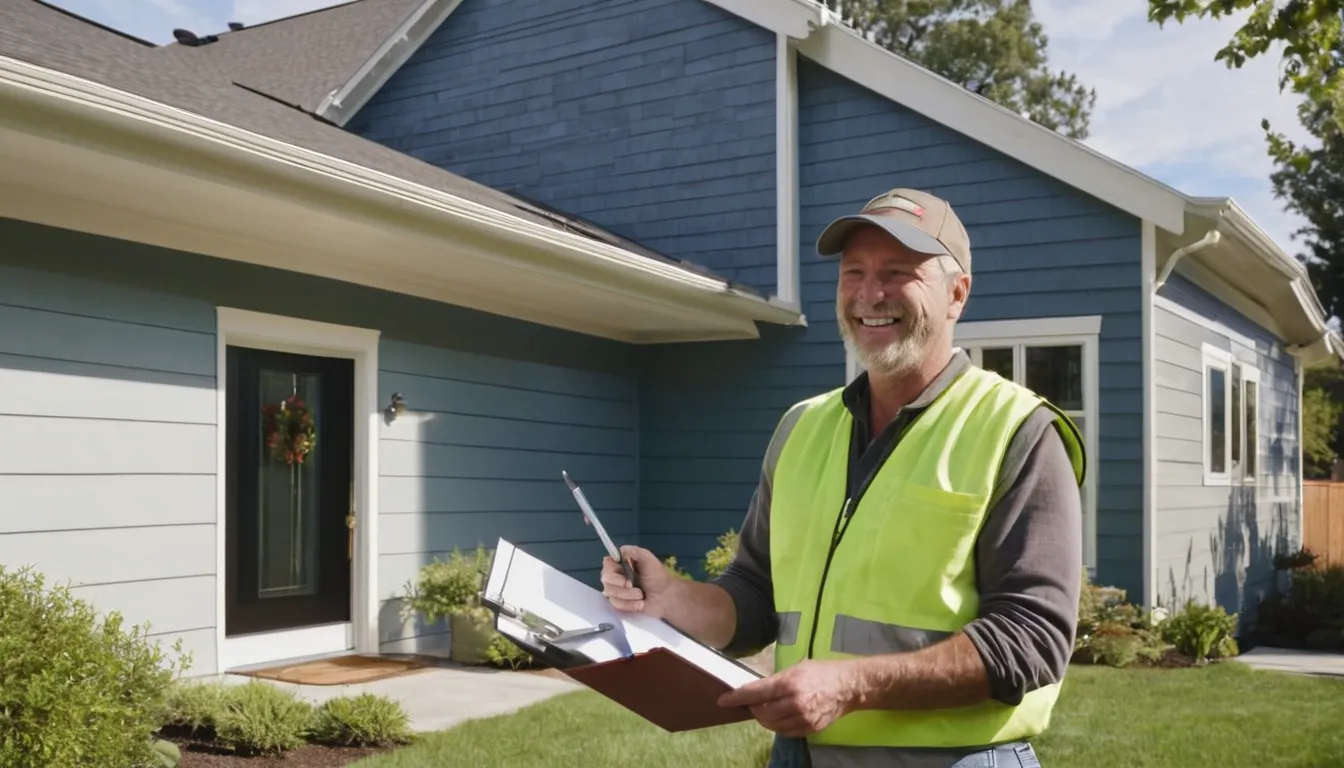
Siding Installation Help for Homeowners
Request an estimate today
Siding protects your walls from rain, wind, heat and smoke. When it fails, water can reach the framing and insulation. That is why a careful plan matters more than a fast one. Voyeurava Windows & Siding is a referral service. We do not install siding. We connect homeowners in Antioch and the Antioch area with independent providers in our network.
This page explains what drives a siding price, which materials suit different homes, and what to ask before you agree to anything. It also shows how to gather photos and notes so estimates are easier to compare. Prices here are typical U.S. ranges. Your job may cost more or less. Written quote first, then decide.
Siding Trouble? Start Here
You may have loose boards, cracks, stains or soft spots. Take a breath. Most siding problems are not emergencies, but wet walls can get worse over time. Move in a calm, careful order.
Do this first
- Look at the walls from the ground. Note where the damage is.
- Take dated photos of each problem area.
- Cover exposed wall areas only if you can do it safely from the ground.
- Write down when you first noticed each problem.
Do not do this
- Do not climb a tall ladder on uneven ground to inspect high walls.
- Do not seal gaps with a quick coat of paint and call it done.
- Do not sign a contract on the spot because of pressure.
- Do not pay a large deposit before you have a written quote.
Photos before phone. Having a few clear pictures makes your first conversation shorter and more useful.
Signs Your Home Needs New Siding
Warping, cracks and gaps
Boards that bow, crack or pull away from the wall let water in. Panels that rattle in the wind are another warning. Faded or chalky color alone is usually cosmetic. Cracks and gaps are different.
Soft spots and stains
Press gently on suspect areas from the ground or a stable spot. Soft wood, dark streaks, bubbling paint or mold near the base of a wall point to moisture. Do not poke hard or pry at it. A provider can check what is behind the surface.
Drafts and rising bills
If rooms near the outer walls feel drafty, the siding and wall layers may be part of the cause. New siding with added wall wrap can help. Energy efficient windows can also make a difference, but that is a separate project.
Choosing a Siding Material
Vinyl siding
Vinyl siding is popular because it costs less up front and needs little upkeep. It comes in many colors. Thin or low-grade panels can crack or warp in strong heat, so ask about thickness and color fade.
Fiber cement and wood
Fiber cement is heavier, harder to cut and usually costs more. It handles heat well. Wood and engineered wood look natural but need regular paint or sealing. Ask each provider how a product holds up during long dry seasons.
Stucco and ranch homes
Many tract homes from the 1950s to 1980s have stucco walls. Switching to a new siding type over stucco is a bigger job. Walls may need prep work first. Ask a provider if your home needs it.
What Drives the Price
Size and wall height
More wall area means more material and labor. Two-story homes cost more because of scaffolding and safety gear. Gables and odd angles add time.
Material and trim
Vinyl siding, fiber cement and wood all price differently. Corners, trim, soffits and fascia add to the total. Ask whether each is listed on the quote.
Removing old siding
Tearing off old siding takes labor and disposal. Covering it up can save money, but it can hide damage. Ask the provider which approach they suggest and why.
Hidden wall damage
Once panels come off, rotted sheathing or wet insulation may show up. A good written quote explains how extra repairs are priced before they begin.
Get Your Paperwork Ready
Photos before phone
Shoot each wall in daylight. Add close-ups of cracks, stains and gaps. Take one wide shot of the whole house. Keep the files in one folder.
Notes that save time
Write down the age of the home, current siding type, and any past work. Keep old receipts or paint records. Measure roughly if you can, but let the provider confirm numbers.
The insurance conversation
Some policies may cover sudden damage, such as a fallen branch or storm impact. Wear and tear is often not covered. Check your policy and talk to your insurer. Providers can often help document damage for a claim.
What Installation Involves
A typical job starts with a site check and measurements. Crews remove old panels if the plan calls for it. They inspect the wall underneath, fix problem spots, and add house wrap. Then new siding, trim and sealant go on. The provider should clean up nails and debris.
How Long Does Siding Installation Take?
Small projects can take a few days. A whole house can take one to three weeks. Weather, material delivery and hidden damage all change the schedule. Ask for a start window and a plan for rain delays in writing.
Planning Ahead
Book early if you can. Long dry seasons are busy for exterior work. Winter rain events can pause jobs. During smoke seasons, ask how the provider protects the work area and the crew.
Move cars, patio furniture and potted plants away from the walls. Trim back shrubs. Tell neighbors about the noise. Keep pets indoors.
Questions to Ask the Provider
- Are you licensed and insured in my state? Ask for proof.
- Which brand and thickness of vinyl siding is in the quote?
- Will you handle permits and disposal?
- How are hidden-damage costs priced?
- What does the warranty cover, and who backs it?
- Who will be on site each day?
Ask, then sign. A fair provider will not mind the questions.
Comparing Two Quotes
Line up each quote side by side. Check material, trim, removal, wall wrap, permits and cleanup. A much lower price may leave something out. Residential siding contractors in our network can walk you through their line items.
Written Quote First
Never start work on a handshake. A written quote should list scope, materials, price, schedule and payment terms. Keep a copy with your photos and notes.
Request a callback to ask about provider availability in your area.
What's Included
Provider matching
We connect you with independent local providers in our network who handle siding installation projects.
Cost guidance
Learn typical U.S. ranges and what pushes a siding quote up or down.
Records checklist
Use simple lists for photos and notes so estimates are faster and easier to compare.
Question prompts
Get clear questions to ask each provider about materials, permits, schedules and written warranties.
Typical Siding Price Ranges
Siding prices vary by home size, material, wall condition and local labor. These typical U.S. ranges are a starting point only. Always get a written quote for your own house before deciding.
| Item | Typical range | Notes |
|---|---|---|
| Vinyl siding, whole home | $6,000 – $16,000 | Depends on wall area and panel grade |
| Fiber cement, whole home | $10,000 – $25,000 | Heavier, costs more to install |
| Old siding removal | $1,000 – $3,500 | Disposal often adds to the total |
| House wrap and sheathing fixes | $500 – $4,000 | Rises if rot is found |
| Trim, soffit and corners | $1,500 – $5,000 | Check if it is listed separately |
| Permits and haul-away | $100 – $800 | Varies by local rules |
How It Works
Document the walls
Take dated photos of each wall and damaged area. Add short notes about what you see.
Request an estimate
Tell us about your home. We pass your request to a provider in our network.
Compare written quotes
Check materials, trim, removal, permits and schedule on each quote before choosing.
Ask, then sign
Get your questions answered in writing. Sign only when the scope and price are clear.
Why Call Voyeurava Windows & Siding
Clear price drivers
We explain what changes a siding quote so you can read each line with confidence.
Safety first
Plain do and do not advice helps you avoid risky ladder work and rushed deals.
Organized records
Photos and notes make estimates faster and support any talk with your insurer.
No pressure
Compare written quotes at your pace. Decide when you feel ready.
Other Services
Need siding installation help in Antioch?
Have a window or siding project? Request a callback to check provider availability, or send your details and request an estimate. No obligation.
No obligationSiding Installation Help FAQ
How much does vinyl siding installation cost?
Typical U.S. prices run about $4 to $10 per square foot installed, or roughly $6,000 to $16,000 for a whole home. Wall size, trim, removal and hidden damage change the total, so get a written quote.
How long does siding installation take?
Small jobs may take a few days. A whole house often takes one to three weeks, depending on weather, materials and wall condition. Ask the provider for a written schedule.
Does homeowners insurance pay for new siding?
Some policies may cover sudden damage, such as storm impact or a fallen limb. Wear and age are often excluded. Check your policy and talk to your insurer. Providers can often help document damage.
Request a callback
Have a window or siding project? Request a callback to check provider availability, or send your details and request an estimate. No obligation.
No obligation